
It is important to understand the specific impact of alcohol on these conditions. Drinking can affect your emotional experience as it can limit your inhibitory emotions. Here are the common emotional experiences you need to explore before visiting your favorite bar. Angry outbursts, decreased productivity, and strained relationships with colleagues can lead to job loss and career setbacks.
FAQs About Alcohol and Rage
Anger is a normal human emotion that we all feel at times and for different reasons. It can even be productive because it tells us we need to address some things that aren’t going well in our lives. Drinking alcohol releases norepinephrine into the brain, a stimulant that can decrease our inhibitions while increasing our impulsivity. Alcohol also depresses the part of the brain in charge of rational decision-making. In some cases, medication may be utilized as adjunctive treatment to address co-occurring symptoms such as mood instability or alcohol withdrawal. Recognizing that each individual’s journey marijuana addiction toward recovery is unique, individualized treatment plans are essential.
- As soon as you sense any tension calmly suggest leaving to get a bite to eat, a cup of coffee or to go to a quieter location.
- Group therapy and anger management classes provide a valuable platform for peer support and shared experiences.
- These days, people who misuse alcohol can enroll in various treatment programs, whether you choose the 12-step approach or decide to enter residential treatment.
- For those caught in the destructive cycle of alcoholism and anger, there is hope.
- The best decision you can make is often the most difficult because it may involve putting your life, your family and your career on hold.
Role of Alcohol in Chronic Anger Issues
Individuals may find themselves more inclined to express emotions that they typically keep concealed, such as anger, sadness, or vulnerability, when under the influence. Minor provocations that might typically be manageable can escalate into heated confrontations or aggressive outbursts when alcohol is involved. For some, the journey might involve exploring why they like being angry.
Relationship between Alcohol and Anger
Increasingly, research offers answers to determine this interaction. Most of these treatments come from the framework of cognitive behavioral therapy (CBT). CBT is a diverse psychotherapy that focuses on identifying unhelpful thoughts and behaviors and creating new, helpful patterns of thinking and feeling. The study concluded that alcohol increased the odds of physical aggression in those men who had high trait anger and poor anger management skills. It also noted that sexual aggression was higher with alcohol, even in men with low trait anger and reasonable anger management skills. Because alcoholism and anger affect entire families, family therapy is often recommended.
Medication-Assisted Therapy (MAT)
Many individuals with alcoholism also suffer from co-occurring conditions like depression, anxiety, PTSD, or borderline personality disorder—all of which can contribute to anger problems. BAC levels, typically measured as a percentage, directly correlate with the degree of cognitive and physical impairment. At a BAC of 0.02% to 0.03%, individuals may experience mild euphoria and relaxation, potentially leading to lowered inhibitions. This initial stage can sometimes manifest as alcoholism and anger increased sociability, but it’s crucial to note that even at these relatively low levels, judgment and coordination begin to deteriorate.
Concerned about alcohol-related aggression? Start understanding the signs and solutions today.
These repeated betrayals of trust and emotional safety sow seeds of resentment, which, left unaddressed, blossom into anger. The alcoholic’s behavior becomes a cycle of disappointment, while the loved one’s anger festers, often expressed as sharp words, withdrawal, or silent contempt. This dynamic isn’t just emotional—it’s relational, eroding the very foundation of connection. Managing anger during detox requires a multi-faceted approach, blending medical intervention with behavioral strategies.
- These endorphins can lift a person’s mood and make them feel better and less stressed or angry.
- The complex relationship between alcoholism and anger issues is a topic that deserves our attention and understanding.
- People known to have anger outbursts on alcohol can end up destroying relationships.
Understanding the Relationship Between Alcoholism and Anger
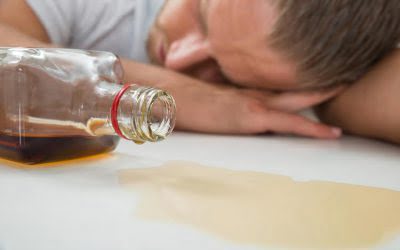
Heavy drinkers are more likely to engage in risky behavior, which includes being violent and acting out hostile emotions, often against a loved one. When someone has both a mental health and substance use disorder, they are considered co-occurring disorders. It’s possible that you were angry before you started drinking and alcohol is magnifying those feelings. It is also possible that excessive alcohol consumption is causing a depletion of the neurotransmitter serotonin, which plays a role in mood regulation.

Alcohol and Anger: The Connection
This can lead to misunderstandings or misinterpretations which can lead to increased anger and frustration. Erin is a Nurse Practitioner with 8 years of experience in midwifery and women’s health. She has spent the past 5 years specializing in the treatment of opioid and alcohol use disorders. When you drink alcohol and behave aggressively, you may be violent with your family members, leading to domestic violence. Women and children are often at increased risk of domestic violence from someone addicted to alcohol. Men are more at risk of having anger issues due to the overuse of alcohol.